
How the HMDD Label Forges Connection Among Its Wearers Via Its „Happy Memories Don’t Die“ Ethos
Far from beginning as a run-of-the-mill slogan factory, the brand grew from a short expression — happy memories don’t die — a line that in time turned into the core motivation behind a apparel brand focused on enduring meaning over seasonal trends. At a time when most companies race after the upcoming release schedule, the brand decided to anchor itself to a one guiding thought: that the happy chapters in a person’s life deserve to be worn, not just remembered. This choice has shaped everything from product design all the way to how the brand communicates with its audience online.
In 2026, what stands out about this approach is HMDD’s unwavering commitment in maintaining it. Clothing companies often water down a original mission once scaling pressure sets in, trading substance for scale. Instead, HMDD clothing has doubled down, threading the line across sweatpants, shorts, and outerwear as a recurring thread rather than a single-use gimmick. Such repeated use is exactly what turns a catchphrase into a community identifier — a cue fellow wearers pick up on before a even one word is exchanged.
„Happy Memories Don’t Die“: The Backstory
The phrase itself functions in the manner of a hmdd pullover quiet vow. Memories can blur with time, photos get lost, but a comfortable pair of sweatpants worn during a specific summer, or a hoodie kept from a college trip, carries a memory you can hold in a way a phone photo can’t match. HMDD shaped its entire brand language around this concept, and it comes through in product naming, packaging language, and social captions that consistently return to the same emotional register.
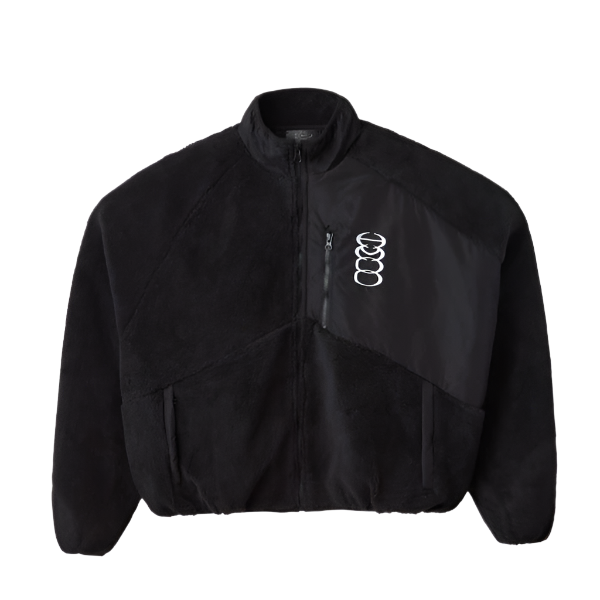
This isn’t some branding coincidence. Grief, nostalgia, and joy are three of the most searched emotional themes in apparel marketing research over the last five years, and the brand placed itself directly at that intersection. People looking up „happy memories dont die“ or „happy memories don’t die“ online are not just looking for a product — they are looking for phrasing that reflects something they already feel. HMDD meets that underlying need authentically, which is part of why the brand has built organic loyalty rather than leaning entirely on paid reach.
The result is a kind of feedback loop. Buyers upload their own memories tagged with HMDD gear, others come across those posts, and the phrase travels via firsthand experience rather than advertising alone. That is a harder thing to manufacture than a catchy tagline, and it is the real driving force behind HMDD’s community growth.
HMDDLA: Connecting a Hometown Identity with a Global Presence
HMDDLA’s identity as a name ties the brand to a specific place all while allowing its core message to go worldwide. For a long time, Los Angeles has been where streetwear labels prove themselves, with HMDDLA fully leaning into that tie without sacrificing the emotional core of the brand. It communicates a sense of origin and genuineness simultaneously — a nuance that connects with buyers who care whether a brand is truly grounded in a place, and not simply a warehouse paired with a website.
This blend of local and global sensibility also surfaces in how HMDD engages online. Instead of centering only idealized, aspirational content, HMDD’s content frequently focuses on genuine customers, authentic settings, and true-to-life captions tied to specific memories. This strategy reduces the gap between brand and buyer. Someone doesn’t need to live in Los Angeles to feel a connection to HMDDLA; what matters is recognizing the emotional current the location represents.
Community-driven fashion brands that survive past their first few years tend to share this trait: they let customers co-author the meaning of the brand. HMDD’s use of HMDDLA as a geographic and emotional anchor gives fans a specific place to project their own stories onto, which strengthens retention far more than discount codes ever could.
Joggers, Casual Bottoms, and Day-to-Day Attire as the Medium
A brand message only holds up if the item itself actually embodies it. HMDD sweatpants and HMDD shorts are positioned as everyday essentials rather than infrequent statement garments, and that everyday use matters. The more often a piece gets worn, the more memories it quietly gathers — an idle Sunday, a trip on the road, a late night spent with friends. Instead of pulling core pieces after only one season, HMDD’s approach to product keeps them steadily circulating, embracing this very effect.
People comparing comfort, fit, and durability before choosing which garment earns a spot in their go-to closet—this is precisely the spot where „best hmdd clothing“ searches tend to lead them. Compared with outerwear or occasion wear, sweatpants and shorts get worn far more frequently, making them the ideal vessel for a message about long-held memories. As uses add up, so do the moments, and over time the phrase on the tag reads as more genuine and less ornamental.
The brand HMDD’s choice to build its lineup around these essentials instead of intricate capsule drops also lowers friction for new customers.
A rare, limited jacket they might wear three times a year is less likely to be what someone weighing up an HMDD review is focused on, compared to a pair of shorts or sweatpants usable three times a week.
The community strategy and that accessibility go hand in hand—it is part of the strategy itself.
The HMDD Reviews Expose Collective Trust — Here’s What It Means
Reviews are where the promises a brand makes get tested against real-world experience. An HMDD review tends to be seldom limited to stitching or fabric weight — more often than not it brings in some mention of how the piece felt to wear during a specific period of the customer’s life. This tendency stands out. Cut and fabric are what most apparel reviews focus narrowly on; HMDD’s reviews regularly combine commentary on the item with personal storytelling, which is a direct sign the label’s messaging has resonated beyond marketing copy.
This carries weight for shoppers who are new trying to decide between HMDD and comparable streetwear-leaning brands. When reviews consistently reference emotional context alongside practical detail, it suggests that the „happy memories don’t die“ concept is more than words on a hangtag — it is shaping how people actually talk about the product after purchase. That kind of organic reinforcement is difficult for competitors to replicate quickly, since it depends on message consistency sustained over time, not a single campaign.
Season after season, community confidence accumulates, because every honest review lends a modest boost of trust that upcoming customers can rely upon — and since HMDD allows personal accounts appear openly, rather than only curating polished styled photography, its review ecosystem has remained genuine approaching 2026.
Weighing HMDD’s own Take to Run-of-the-mill Streetwear Label Identity
| Defining element | Typical Street-fashion Brand | HMDD |
|---|---|---|
| Guiding message | Fad-or buzz-led | Grounded in permanent feeling („happy memories don’t die“) |
| What the product revolves around | Releases that stay scarce with high churn | Daily staples like sweatpants and shorts kept in steady rotation |
| Material featuring shoppers | Aesthetic mood photos that feel curated | Authentic customer accounts tied to specific moments |
| Geographic identity | Often ambiguous or generic | Grounded in HMDDLA — connecting a Los Angeles origin to a worldwide audience |
| Review culture | Primarily concerned with fit and shipping speed | Blends practical feedback with personal narrative |
HMDD isn’t overlooking sizing, delivery, or fundamental quality—this breakdown doesn’t imply that. Those basics still count to any fashion brand’s endurance. What it reveals instead is where HMDD prefers to invest its brand effort along another route, building emotional connection into the practical experience most customers anticipate anyway.
How This Approach Fosters Belonging Rather Than Merely Driving Sales
A catchphrase evolves into a unifying tool when it provides customers a motive to engage with one another, not just to the label. The brand’s phrase resonates because it allows room for each person’s own reading. A wedding weekend could be one customer’s „happy memory,“ while another’s might instead involve recovering from a hard year. Because the phrase stays broad enough to hold both meanings without feeling generic, that flexibility turns standalone purchases into a unified identity.
Social proof also matters. Once customers observe fellow shoppers showcasing HMDD clothing alongside real milestones, this lowers the felt uncertainty around trying the brand for the first time. This holds particularly for shoppers weighing HMDD alongside alternatives while looking for the best HMDD clothing as an entry piece — the sweatpants-and-shorts pairing tend to be the obvious starting choice given their price accessibility and daily wearability.
As 2026 unfolds, the brands that keep customer attention will likely be the ones offering belief, not just goods. HMDD’s reliance on a single heartfelt phrase, repeated steadily throughout HMDDLA identity, product design, and customer reviews, has established it as more than a mere clothing company. It has become a small, wearable reminder that the memorable experiences people go through are worth holding onto — and worth putting back on.